logo

Origin Of Samosa And Jalebi: Tracing Roots From Persia To India

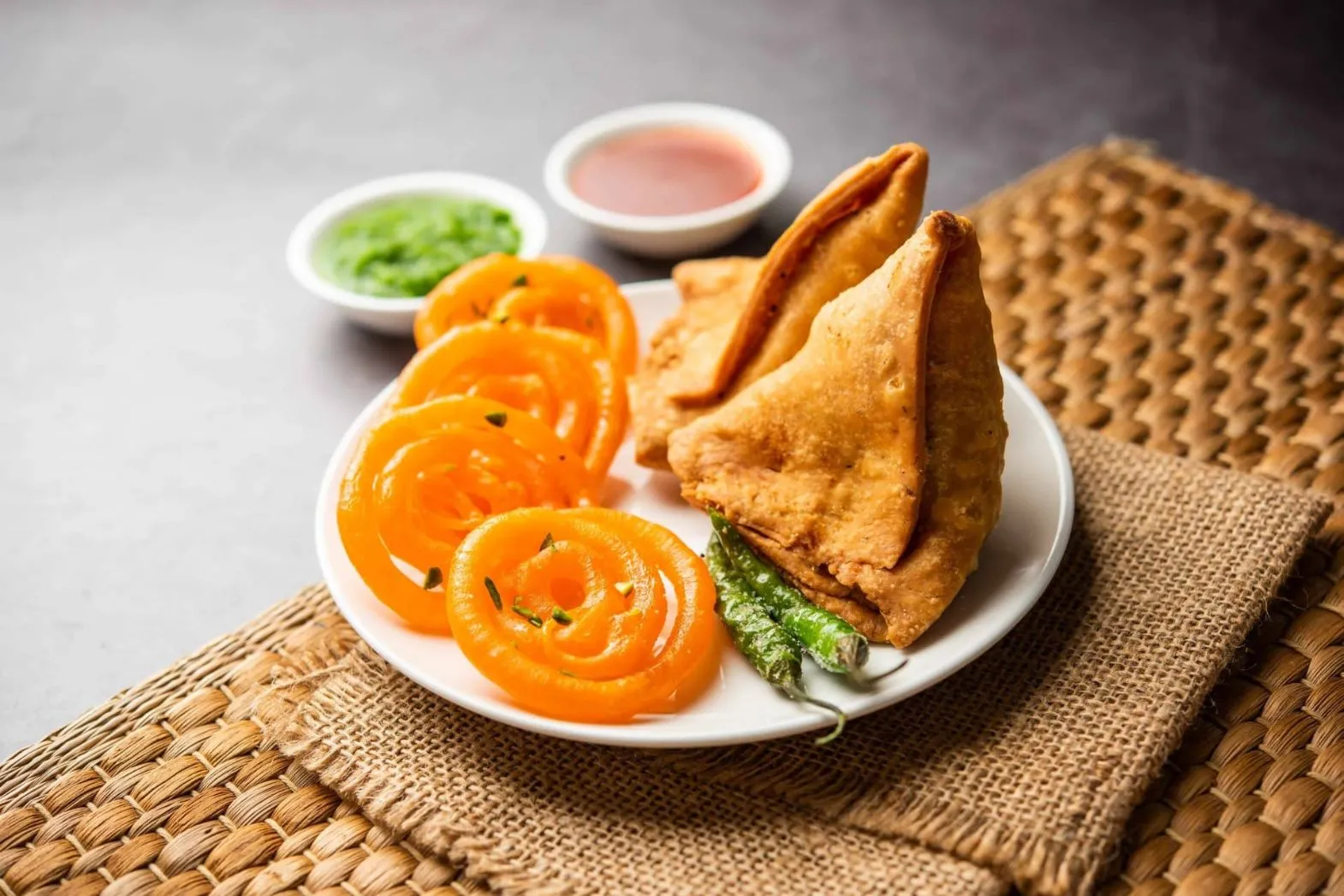
Few Indian snacks spark more love than samosa and jalebi—but their story begins in West Asia. The origin of samosa points to the Persian sanbosag/sanbusak, a medieval snack mentioned in Arabic cookbooks and poetry. By the 13th–14th centuries, cooks from the Middle East and Central Asia brought it to the royal kitchens of the Delhi Sultanate. Court writers like Amir Khusro and traveler Ibn Battuta described small meat-filled sambusak at feasts—proof of a samosa history Middle East link that later Indianised into the potato-pea classic we love. 

For jalebi, the trail is even older. The earliest recipe appears in the 10th-century Arabic cookbook Kitab al-Tabikh as zulabiya (also written zolbiya/zalabiya). The name—and the sweet—traveled with traders to the subcontinent, where Sanskrit texts mention jalebi by the 15th century. Food historian K.T. Achaya notes that both the word and dish likely came from Arab–Persian routes, reinforcing the jalebi Persian zulabiya lineage and our broader historical food exchange with West Asia.

What experts say

  • The word samosa traces to Middle Persian sanbosag; medieval Arabic texts list sanbusak/sambusaj—clear pointers to a Persian sanbosag samosa ancestry that reached Middle Eastern pastries India via courts and caravans.
     
  • Achaya’s work and classic references (Hobson–Jobson) link Arabic zulabiya jalebi to India’s traditional Indian sweets origin, with a Kitab al-Tabikh jalebi recipe as a 10th century food origins marker.
     

Ingredients at a glance

Samosa (Indianised version): maida (all-purpose flour), boiled potatoes, green peas, onions, ginger, green chilli, cumin, coriander, garam masala, salt, oil/ghee.

Jalebi: refined flour batter (often with a little yogurt), water, a pinch of leavening, sugar syrup scented with cardamom/rose, ghee/oil for frying.

In short: From sanbusak to samosa and zulabiya to jalebi, these treats are a delicious food cultural journey—born in Persia/Arabia, refined in the Delhi Sultanate food scene, and today beloved across India as the ultimate Indianised samosa jalebi duo. 
 

Never Miss A Recipe!

Join thousands of TinySalt subscribers and get our best recipes delivered each week!

Follow us on
@Instagram

Cook & Write with Us
Foodfantasy © Copyright 2022. All rights reserved